A rushed school morning sometimes begins the evening before: the sports bag is unpacked, a form is missing and nobody has confirmed the school run. A morning routine helps when it matches your household's reality. Before setting an earlier alarm, look at which steps keep colliding and which decisions are being made from scratch every day.
Notice the searching and waiting
Watch a few ordinary mornings without changing everything at once. Where do family members wait for each other? Which belongings go missing at the last minute? What decision keeps returning? Write down recurring obstacles rather than trying to document every action.
Choose one issue to work on first. If shoes are regularly missing, a consistent place by the door may help more than an elaborate timetable. A routine should solve a problem, not become another project with a long set of rules.
Move suitable decisions to the evening
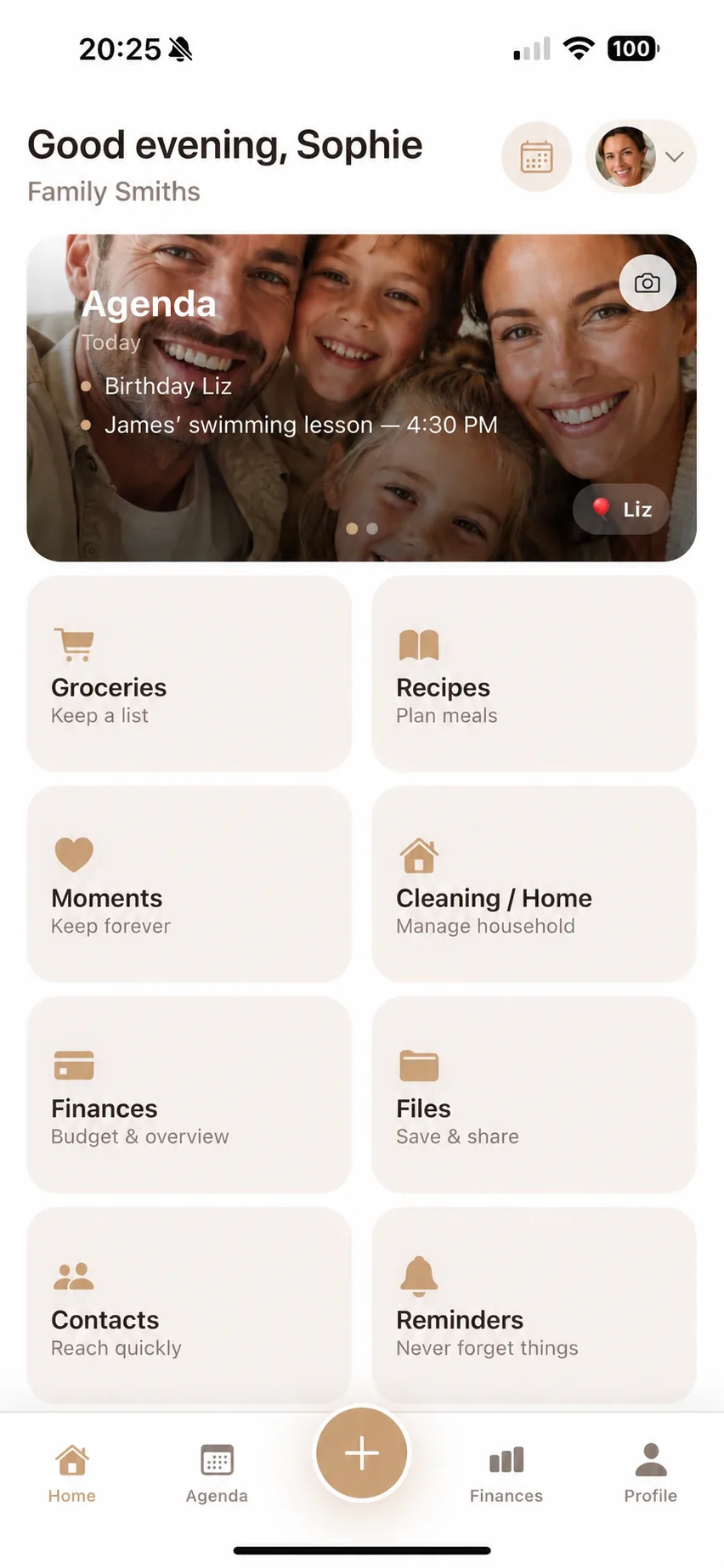
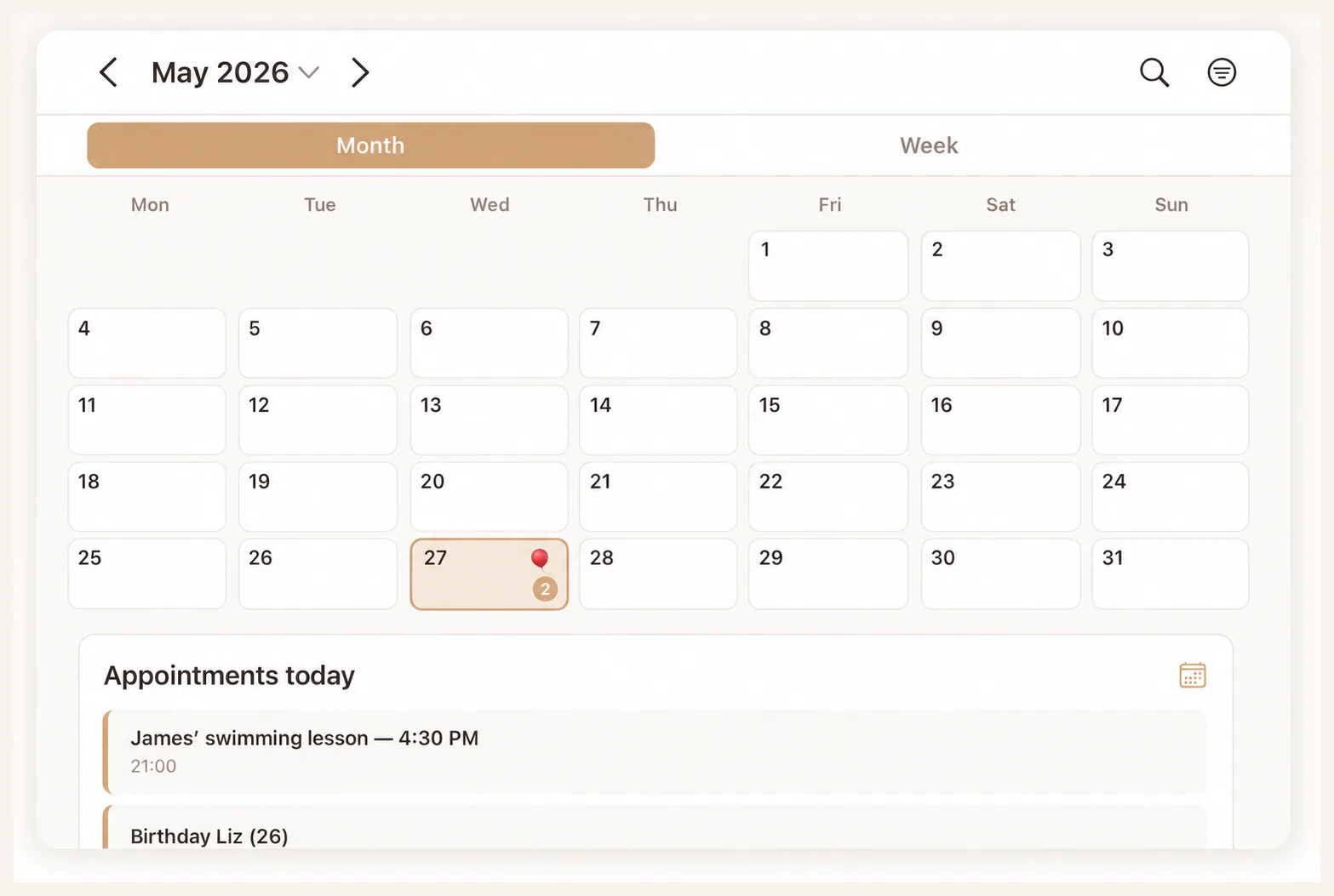
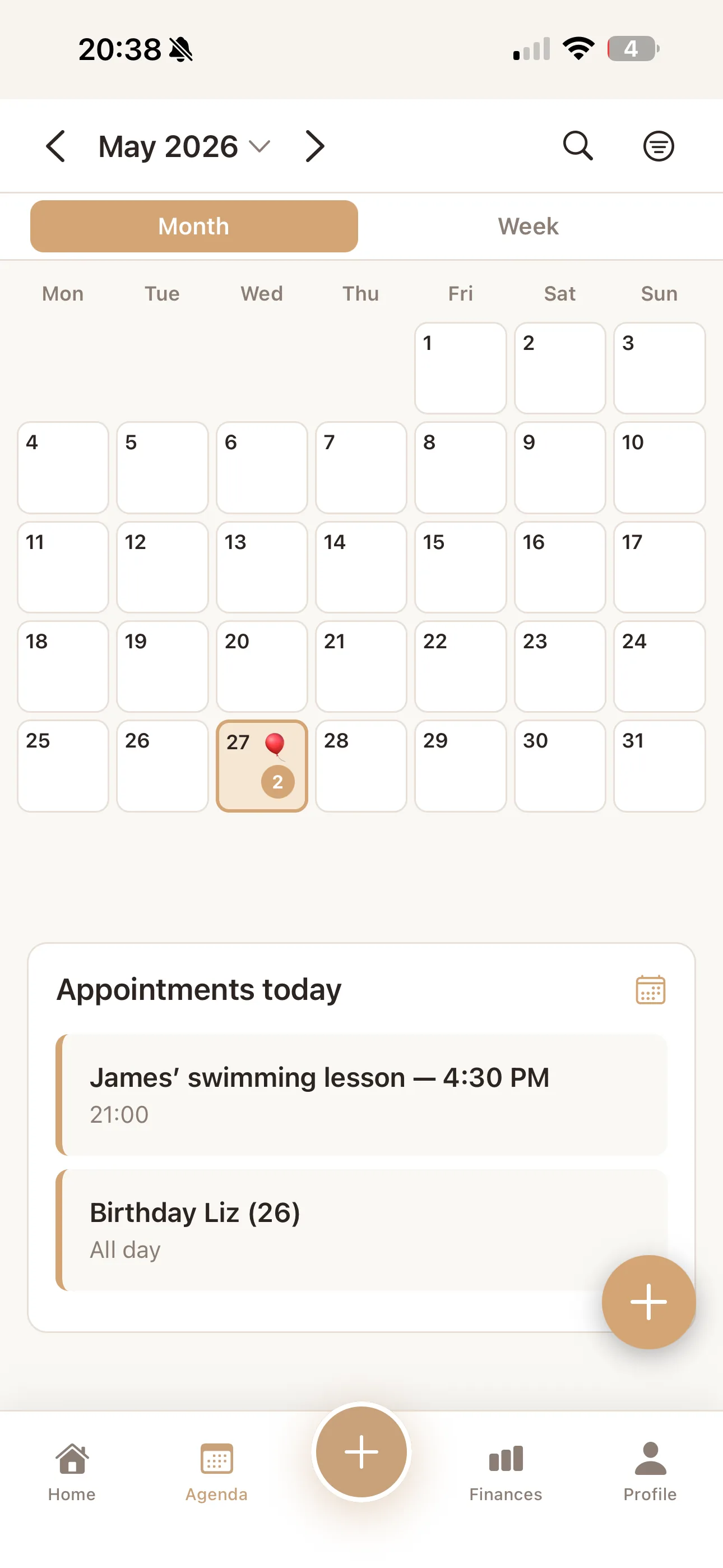
Look at the following day in the family calendar. Prepare what you can: clothing, school items, keys and equipment for activities. Confirm who is taking the children and whether departure time differs from normal.
Leave space for the things your household prefers to do in the morning. Not every form of preparation suits everyone. The purpose is to reduce unnecessary decisions during a busy moment, rather than organising the entire evening around the next day.
Keep the sequence short
List the main steps in an order that fits your home. A younger child may find pictures useful, while someone else needs only a short checklist. Use the same words you use when demonstrating the actions.
- Get dressed and collect the things you need.
- Have breakfast and check what must come along.
- Brush teeth and clear your place.
- Put on shoes, pick up bags and do a final departure check.
Leave a margin and a fallback plan
A routine that works only when every step finishes exactly on time is fragile. Leave some flexibility where possible and agree what can be done later if something runs over. Essential needs and safety still take priority.
After a week, notice which part required less attention and what still did not fit. A family app can hold recurring tasks and appointments, but the routine should remain understandable without a phone. Add a new step only when it solves something specific; a few consistent actions may be enough.