'Tell me what to do' can sound helpful while leaving the same person in charge of planning. Sharing chores involves more than doing the visible action. Noticing that something is needed, working out when it should happen and checking the result are parts of the task too. Bringing those steps into the conversation makes responsibilities clearer.
Make the less visible work visible
For a week, note recurring household work. Alongside cleaning, include reading school messages, arranging gifts, checking clothes, booking appointments and noticing supplies that are running out. You do not need a complete inventory before starting. The list is there to reveal work that is easy to overlook.
Discuss which tasks take energy and which someone prefers. Two jobs taking the same amount of time can feel very different. Work schedules, caring responsibilities and available time may also change from week to week.
Agree who looks after the whole task
Give a task an owner who keeps track of the process. For laundry, this might include noticing detergent is low and making sure sports clothing is ready when needed. Ownership does not mean never asking for help. It means someone else does not have to provide every reminder.
Describe what finished means. One person may consider the kitchen done when the dishwasher is running; another expects clear surfaces and a clean hob. Discussing that difference in advance is easier than discovering it at the end of a tiring day.
Keep the shared list small
Start with a few recurring responsibilities and short descriptions. Logging every tiny action can create more work than it removes. Put tasks on the shared list when they need coordination or a reminder.
- Task: what needs to happen?
- Owner: who keeps track of it?
- Rhythm: when or how often is it needed?
- Finished: what result have we agreed on?
Review the arrangement without scoring people
Check regularly whether the division still fits. Ask what was left undone and what got in the way. A task may be too large, the timing may be unrealistic or the original agreement may be unclear. Change the arrangement when circumstances change.
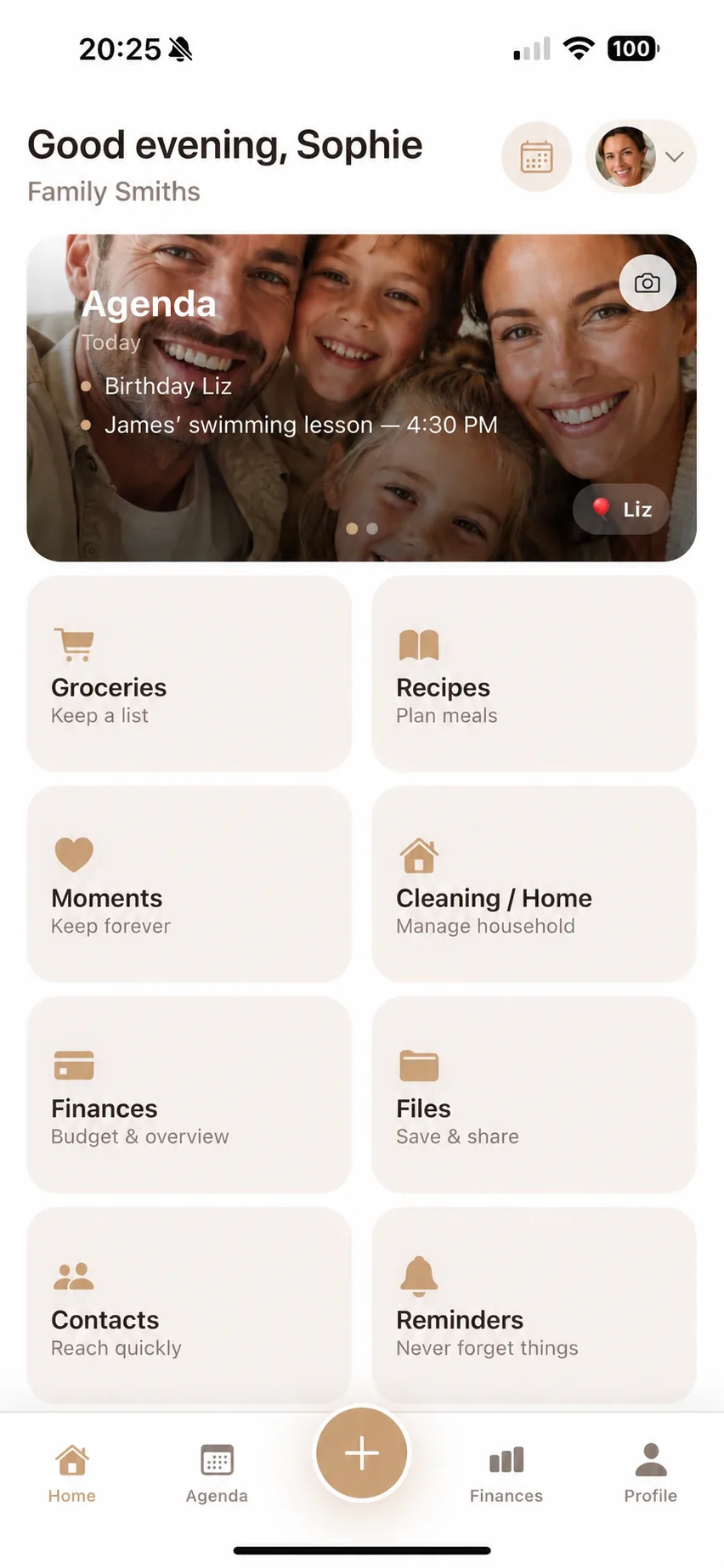
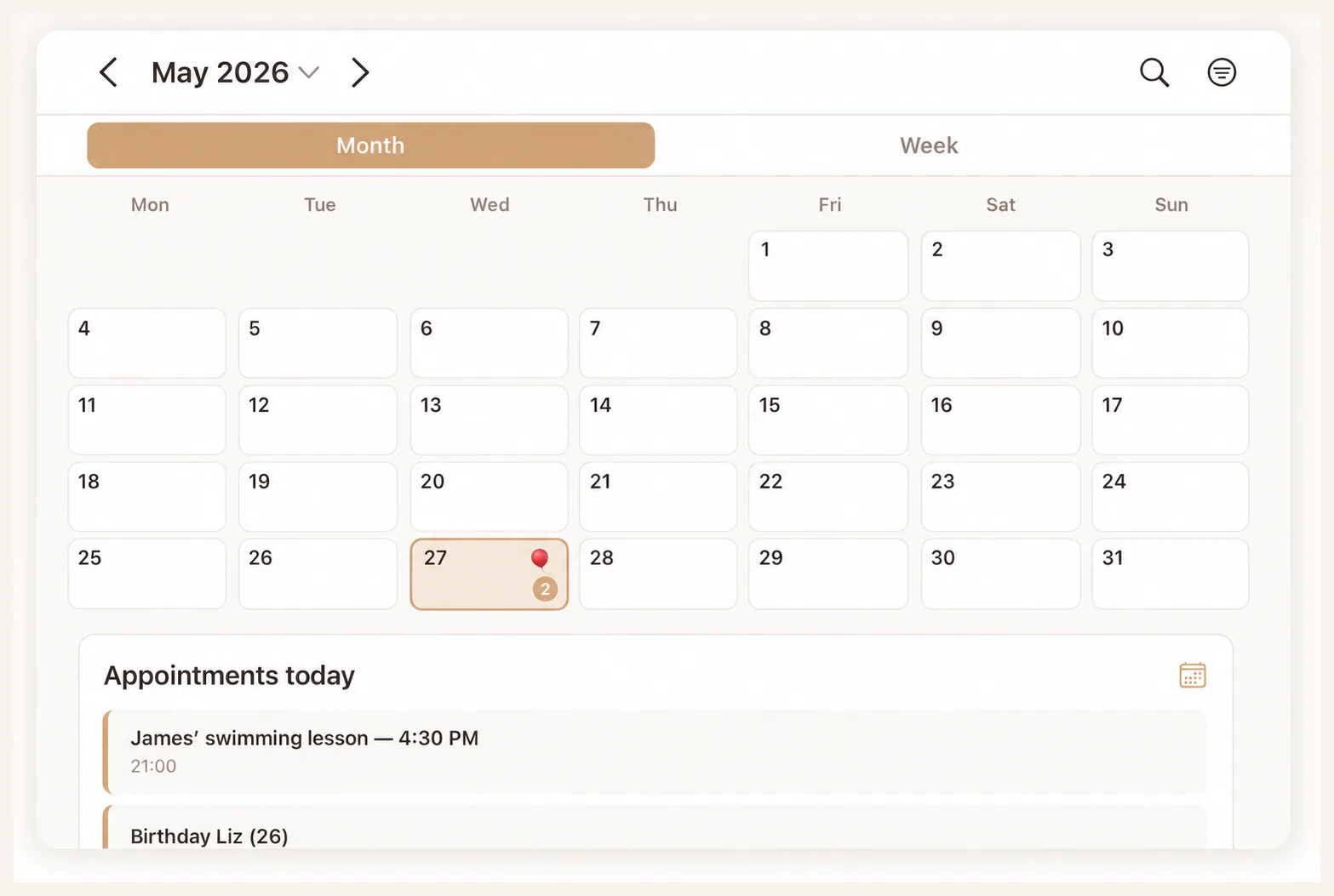
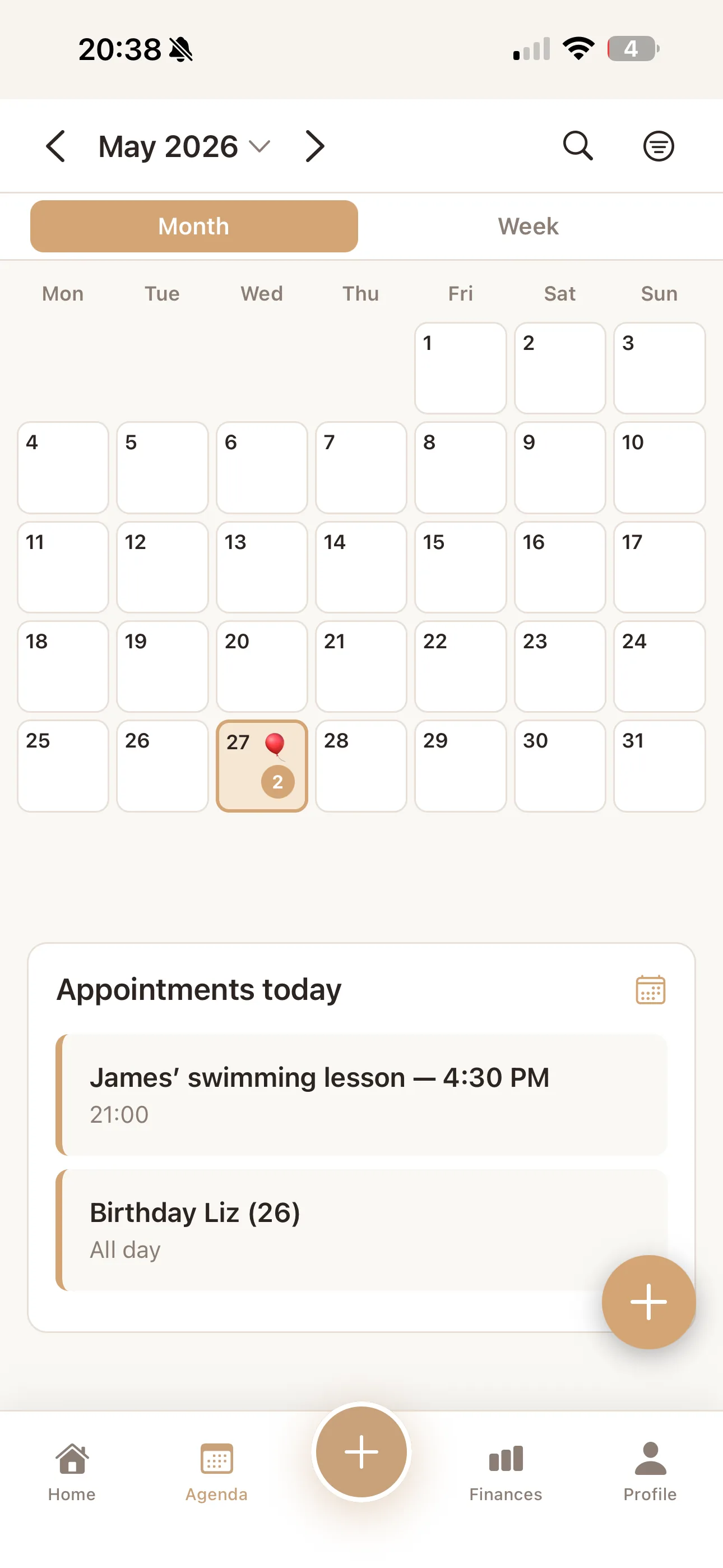
A family task list can keep the agreement visible, but it cannot replace that discussion. Use the tool as a shared memory. The goal is for more family members to act independently, rather than appointing someone to monitor whether everybody has done enough.